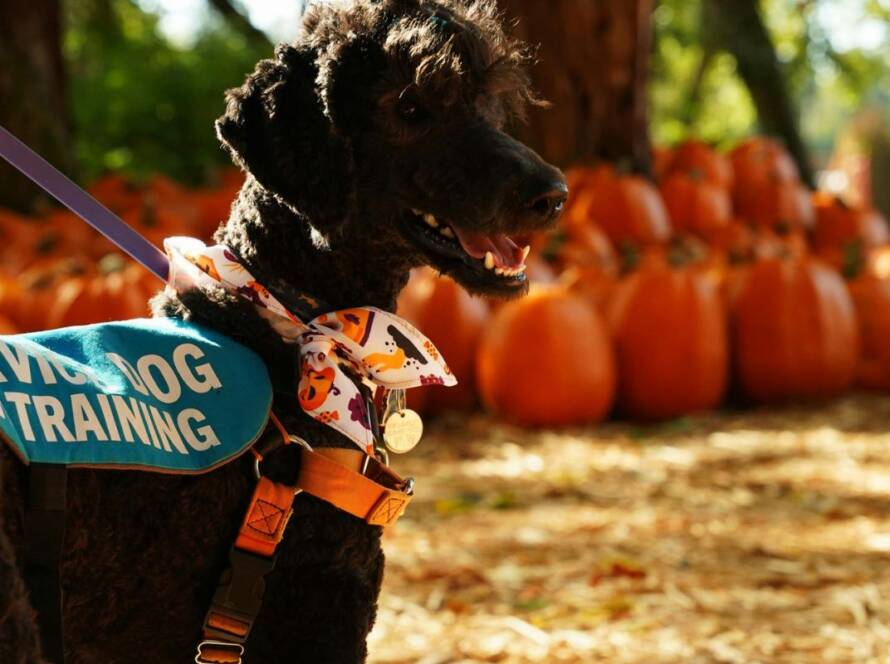
Choosing between dog training programs in Dallas usually comes down to three formats: board-and-train, in-home private sessions, and group classes. Each one solves a different problem, and picking the wrong format for your dog’s needs is one of the most common reasons owners feel like “training didn’t work” when really, the format just wasn’t the right match.
This guide breaks down what each program actually involves, who it’s built for, and how to decide which one fits your dog, your schedule, and your goals.
The Three Main Dog Training Formats, at a Glance
- Board-and-train: Your dog stays with a trainer for an immersive period, receiving daily, structured training with minimal distraction from home routines.
- In-home training: A trainer comes to you, working with your dog in the actual environment where the behavior needs to happen.
- Group classes: Your dog trains alongside other dogs in a class setting, building skills with real-world distraction and social exposure.
None of these is universally “better” — the right choice depends on the behavior you’re addressing, how much time you can commit, and where your dog is starting from.
Board-and-Train: Best for Fast, Structured Progress
A board-and-train program works well when you need consistent, daily repetition without gaps in scheduling. Because the dog is training every day in a controlled environment, this format tends to produce the fastest foundational results — particularly for obedience basics, leash manners, and moderate-to-severe behavior issues like reactivity.
It’s a strong fit if:
- Your schedule doesn’t allow for consistent daily practice at home
- Your dog has behavior issues serious enough to need distraction-free repetition, such as the reactivity patterns covered in our aggressive dog training guide
- You want a strong foundation established quickly, with owner coaching afterward to maintain it at home
The tradeoff: board-and-train requires transferring what the dog learned back into your household, which is why a good program always includes a handoff and coaching session with the owner.
In-Home Training: Best for Environment-Specific Behavior
Some behaviors only show up in a specific setting — door manners, resource guarding around the house, reactivity toward household guests, or getting a new puppy adjusted to your actual living space. In-home training addresses these directly, because the trainer works with your dog in the environment where the problem happens instead of a training facility your dog will never see again.
It’s a strong fit if:
- The behavior is tied to your home, yard, or routine specifically
- You want to be actively involved in every session rather than handing training off entirely
- Your dog does better learning at its own pace without the intensity of an immersive program
For a deeper side-by-side comparison of board-and-train and in-home specifically, see our earlier breakdown: Board-and-Train vs. In-Home Training: Which Is Right for Your Dog?
Group Classes: Best for Socialization and Real-World Practice
Once a dog has foundational obedience in place, group classes add something the other two formats can’t replicate: controlled exposure to other dogs and people. This is where skills get tested under real distraction, which is often the missing piece for dogs that “listen at home but not anywhere else.”
It’s a strong fit if:
- Your dog already has basic obedience and needs practice generalizing it
- Socialization and confidence-building around other dogs is a goal
- You’re looking for an affordable, ongoing option rather than an intensive program
Group classes generally aren’t the starting point for dogs with active aggression or severe reactivity — those cases typically need one-on-one work first. Our guide on preparing for group dog training classes covers exactly what “ready” looks like before enrolling.
How to Decide: A Simple Framework
Ask these three questions to narrow down the right format:
1. How severe is the behavior?
Mild issues (leash pulling, basic manners) often respond well to in-home or group settings. Moderate-to-severe issues (reactivity, aggression, significant anxiety like the patterns in our separation anxiety guide) usually benefit from the structure of board-and-train first.
2. Is the behavior tied to a specific environment?
If the problem only happens at home — at the door, around guests, in the yard — in-home training addresses it directly where it occurs.
3. What’s your realistic time commitment?
Board-and-train requires the least owner time upfront but the most follow-through afterward. In-home and group formats require more consistent owner involvement throughout.
Many owners in the DFW area also combine formats — starting with board-and-train or in-home sessions to establish a foundation, then moving into group classes for socialization and real-world practice.
Serving Dallas and the DFW Metroplex
The Service Dog Team Academy offers all three formats out of Rockwall, TX, serving Dallas, Frisco, Plano, Allen, Forney, McKinney, and the surrounding DFW area. See our Frisco, Plano, Allen, or Forney pages for location-specific details, or if you’re training toward ADA service dog certification specifically, visit our service dog training program page.
Frequently Asked Questions
Which dog training program works fastest?
Board-and-train typically produces the fastest foundational results because the dog trains daily in a distraction-controlled setting. In-home and group formats work well too, but progress depends more on consistency between sessions.
Can I combine board-and-train with group classes?
Yes, and many owners do. A common path is board-and-train or in-home sessions to establish obedience basics, followed by group classes once the dog is ready for controlled exposure to other dogs and people.
Is group class enough for a dog with behavior issues?
It depends on severity. Dogs with mild issues can often succeed in a group setting, but dogs with active aggression or significant reactivity usually need one-on-one work first before group exposure is appropriate.
Does in-home training work for puppies?
Yes, in-home training is a strong fit for puppies since it addresses house manners, potty training, and socialization directly in the environment they’ll actually live in.
How do I know which program is right for my dog?
The right format depends on your dog’s behavior severity, whether the issue is environment-specific, and how much time you can realistically commit. Contact our team for a behavior assessment and personalized recommendation.
Not sure which program fits your dog? Reach out to The Service Dog Team Academy and we’ll walk you through an assessment to match you with the right training format.